Treatment – Mycoplasma Elimination Reagent: Technical Overview, Mechanism, and Laboratory Application

Mycoplasma contamination remains one of the most disruptive events in cell culture environments, affecting mammalian cells, stem cells, hybridomas, primary cultures, and viral production workflows. The use of Mycoplasma Elimination Reagents (MER) provides a targeted approach to selectively inhibit, neutralize, and remove mycoplasma species without compromising cellular metabolic stability. This extended article introduces a deep … Read more
Advanced Mycological Applications of Melzer Reagent: Chemistry, Diagnostics, and Taxonomic Interpretation

Melzer Reagent—commonly called Melzer’s Solution—is one of the foundational iodine-based reagents in fungal microscopy, especially for the identification of amyloid and dextrinoid reactions in spores, asci, hyphae, and tissue structures. Originally formulated by Vilem Melzer, this reagent continues to be indispensable in classical and modern taxonomy, appearing in research manuals from Cornell University (https://plantpathology.cals.cornell.edu), Oregon … Read more

Collagen alpha-1 (XVII) Chain ELISA: Extended Technical Monograph, Molecular Framework, Analytical Validation, and Research Applications

Collagen alpha-1 (XVII) chain (COL17A1) is a structurally critical type II transmembrane collagen essential for epidermal–dermal cohesion and hemidesmosome architecture at the basement membrane. As a core component of epithelial adhesion complexes, COL17A1 undergoes dynamic biosynthesis, proteolytic processing, glycosylation, ectodomain shedding, and extracellular matrix (ECM) integration.Because these biochemical events produce soluble COL17A1 fragments, a Collagen … Read more

Gastrointestinal (GI) Disease PCR Quality Control: Comprehensive Technical Overview

Gastrointestinal (GI) Disease PCR Quality Control is a core component of molecular diagnostics for enteric pathogens in stool samples. It ensures that multiplex GI PCR panels, singleplex assays, and lab-developed tests (LDTs) provide accurate, reproducible, and traceable results for bacteria, viruses, and parasites responsible for acute gastroenteritis and chronic GI syndromes. In modern laboratories, GI … Read more

PEI Transfection Reagent-GMP: Comprehensive Technical Overview, Mechanistic Basis, Bioprocess Engineering, and Regulatory Integration

Good Manufacturing Practice (GMP)-grade PEI Transfection Reagent-GMP is a high-performance, cationic polymer engineered for large-scale gene delivery, viral vector manufacturing, recombinant protein expression, and nucleic acid bioprocessing. Its molecular characteristics—including linear or branched polyethylenimine backbones, protonatable amines, and controlled polydispersity—enable robust DNA and RNA complexation, making it a cornerstone tool in advanced mammalian cell engineering. … Read more

HAstV RNA – PCR Qualitative Positive Control: Ensuring Reliable Detection of Human Astrovirus

Human Astrovirus (HAstV) is a major cause of viral gastroenteritis, particularly in children, the elderly, and immunocompromised individuals. The detection and quantification of HAstV RNA are critical in diagnosing infections and monitoring outbreaks. A HAstV RNA – PCR Qualitative Positive Control is an essential component in molecular diagnostic workflows, providing a standardized sample that helps … Read more

Cusabio N-terminal GST-tagged Recombinant

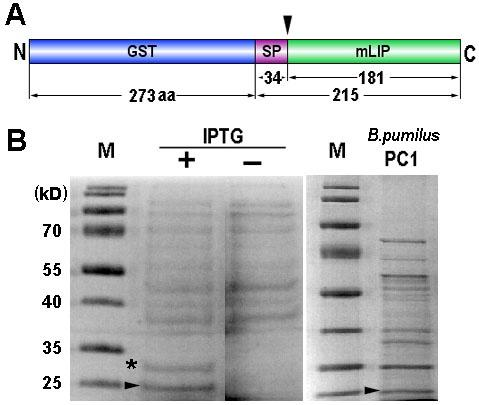
Abstract This chapter describes the use of N-terminal glutathione S-transferase (GST)-tagged Recombinant gene fusion proteins as a method for high-level protein expression and inducible purification from bacterial cell lysates. The protein is expressed in a pGEX vector, with the GST residue located at the N-terminus followed by the target protein. The use of GST as … Read more

Cusabio Danio rerio Recombinant

Some species show intersex variations in their rate of meiotic activity. recombination, where recombination is usually suppressed in the heterogametic sex. Although there is no heteromorphic sex chromosomes have been detected in the zebrafish (Danio rerio) recombinant, genetic analysis has indicated a lower frequency of recombination in males relative to females. Our study of the … Read more

Cusabio N-terminal 6xHis-TF-tagged Recombinant

Abstract For years, the use of polyhistidine tags (His-tags) has been a staple in the isolation of recombinant proteins in immobilized metal affinity chromatography experiments. Its use has been highly beneficial in increasing the protein purity of crude cell lysates. For some recombinant proteins, one consequence of the addition of the His tag is that … Read more

CRISPR activation screen in mice identifies novel membrane proteins enhancing pulmonary metastatic colonisation

CRISPR activation screen in mice identifies novel membrane proteins enhancing pulmonary metastatic colonisation

Melanoma represents ~5% of all cutaneous malignancies, but accounts for almost all of pores and skin most cancers deaths because of its propensity to metastasise. To develop new therapies, novel goal molecules should to be recognized and the accessibility of cell floor proteins makes them engaging targets. Utilizing CRISPR activation know-how, we screened a library … Read more